
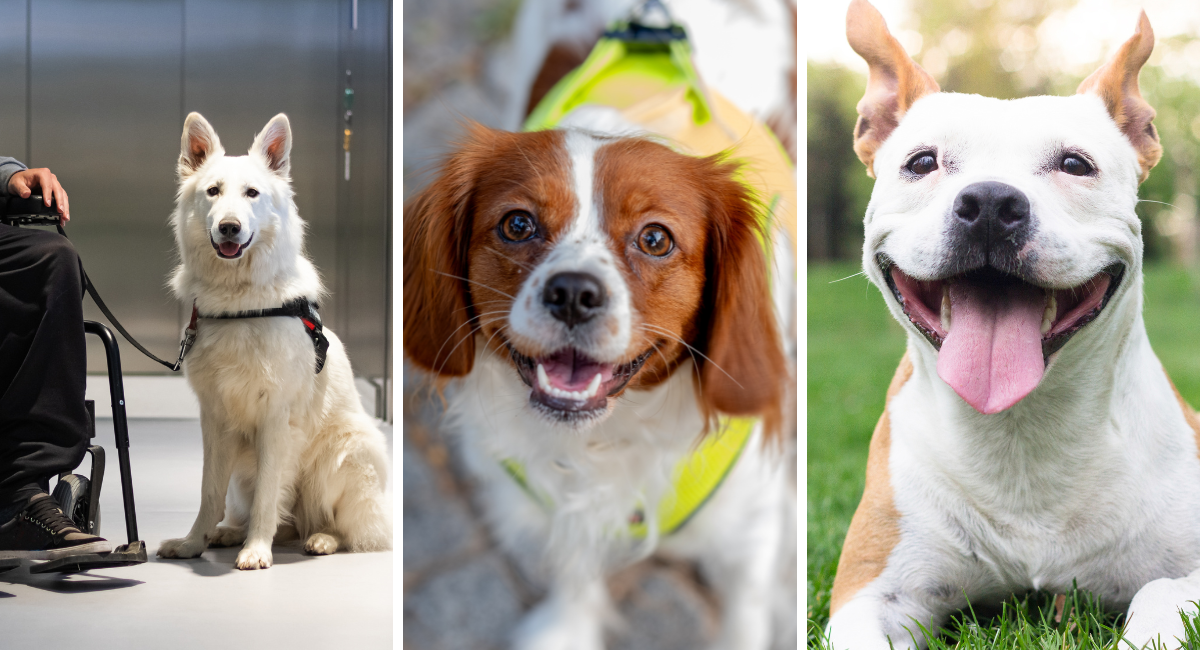
So you’re planning to grab dinner at your favorite restaurant, and probably wondering if you can bring your dog along. The answer depends entirely on what type of dog you have—and the legal distinctions might surprise you.
Confusion surrounds service animals, emotional support animals (ESAs), and regular pets when it comes to restaurant access.
Many people mistakenly believe that ESA documentation grants them the right to dine anywhere with their dog. Others assume that all well-behaved dogs qualify for public access.
Federal law recognizes three distinct categories of dogs, but only one has guaranteed legal access to restaurants.
This article clarifies what the Americans with Disabilities Act (ADA), Fair Housing Act, and state laws actually say about bringing dogs into restaurants, including your rights, responsibilities, and what questions restaurants can legally ask.
What Is a Service Animal Under the ADA?
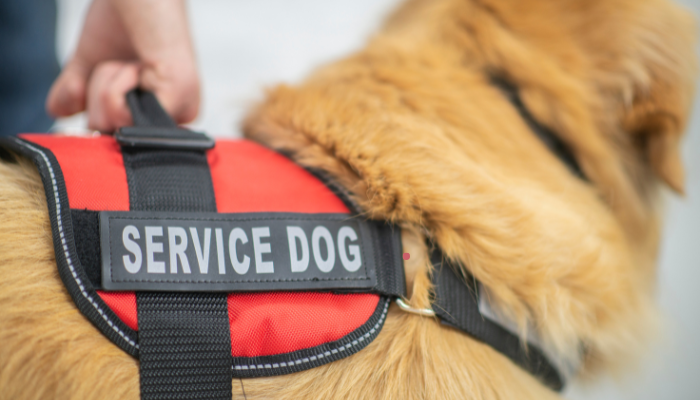
The ADA defines a service animal as an animal that has been individually and specially trained to do work or perform tasks for a person with a disability. The tasks performed must be directly related to the person’s disability.
Guide dogs help people with visual impairments navigate safely. Seizure alert dogs warn handlers of impending seizures.
Mobility assistance dogs retrieve dropped items or provide stability. Psychiatric service dogs might interrupt panic attacks or prevent self-harm behaviors.
The key distinction is that service dogs perform specific, trained work—not simply provide comfort through their presence.
A dog that alerts to dangerously low blood sugar performs a task. A dog whose presence merely makes someone feel calmer does not meet the ADA’s service animal definition.
Federal law doesn’t require service animals to be professionally trained, certified, registered, or wear identifying vests. No legitimate national service animal registry exists, despite what various websites claim.
What Is an Emotional Support Animal (ESA)?

An emotional support animal is a pet that provides therapeutic benefit to its owner through companionship and presence.
ESAs don’t require specialized training to perform disability-related tasks.
Healthcare providers prescribe ESAs to help patients manage mental health conditions like anxiety, depression, or PTSD.
The animal’s companionship provides comfort and emotional stability—valuable therapeutic support that’s fundamentally different from the trained task work that service animals perform.
ESAs require documentation from a licensed mental health professional. However, this documentation only provides legal protections in housing contexts under the Fair Housing Act.
You Might Also Like…
Service Dog Etiquette: Everything You Need to Know
What Is a Regular Pet?

Regular pets are dogs owned for companionship without any disability-related function. They don’t perform trained tasks for people with disabilities, and they don’t have ESA documentation from healthcare providers.
Most dogs fall into this category, and they’re subject to standard pet regulations wherever they go.
Restaurant Access Rights: The Legal Breakdown
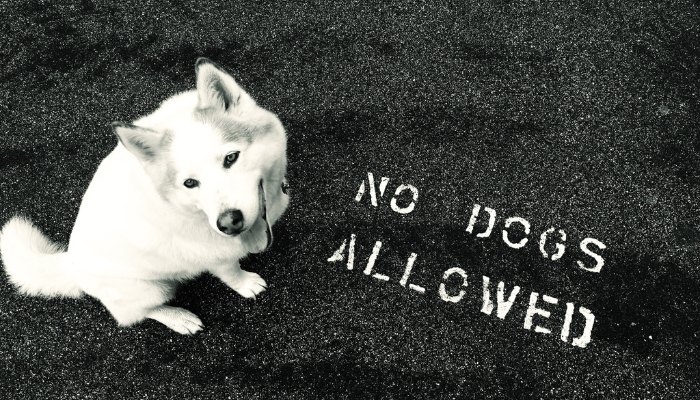
Under the Americans with Disabilities Act (ADA), service animals aren’t just permitted in restaurants—they have legally protected access rights that restaurant owners must honor.
These federal protections establish clear boundaries that prevent discrimination against people with disabilities who rely on service animals.
Here’s what the law actually says:
1 ) Service Animals Have Full Public Access Rights
The ADA Title III guarantees that service animals can accompany their handlers into all restaurants. Restaurants cannot deny entry, charge extra fees, or restrict service animals to certain sections.
Service animals must be allowed in all areas where customers are generally permitted, including dining rooms, bars, waiting areas, and outdoor patios.
The only exception is areas where health codes specifically prohibit animals, such as commercial kitchens.
These access rights apply regardless of the dog’s breed, size, or appearance. Breed-specific bans or size restrictions violate federal law.
2) ESAs Have NO Restaurant Access Rights
ESAs, or assistance animals, are protected by the Fair Housing Act for housing and were previously protected for air travel.
However, no federal law grants ESAs access to restaurants, stores, hotels, or other public places.
Your ESA letter from a therapist is legally meaningless for restaurant access. Restaurants can and should deny entry to ESAs just as they would regular pets.
Attempting to pass an ESA as a service animal may violate state laws against service animal fraud.
3) Pets Are Allowed Only Where Restaurants Choose
Regular pets have no legal right to enter restaurants. Many establishments welcome dogs on outdoor patios or in designated areas as a business decision, not a legal requirement.
Local health codes influence whether restaurants can allow pets. Some jurisdictions permit dogs in outdoor dining areas while prohibiting them indoors.
If you want to dine with your pet, research pet-friendly restaurants in advance.
What Questions Can Restaurants Legally Ask?
When it’s not obvious that a dog is a service animal, restaurant staff may ask two specific questions:
- “Is the dog a service animal required because of a disability?”
- “What work or task has the dog been trained to perform?”
Restaurant staff cannot ask about the nature of the person’s disability, require documentation or certification, demand medical records, or ask for demonstration of the trained task.
What Restaurants Cannot Require
Federal law strictly prohibits restaurants from demanding service animal registration, certification, or identification cards. Such documents have no legal standing under the ADA.
Requiring vests or special identification also violates federal guidelines. Many handlers use vests for convenience, but absence of identification doesn’t give businesses grounds for denial.
When Restaurants Can Remove a Service Animal
Service animal access rights aren’t absolute. Restaurants can ask handlers to remove service animals when:
- The dog is out of control and the handler doesn’t take effective action
- The dog isn’t housebroken
- The dog poses a direct threat to health or safety of others
Even when removal is justified, the restaurant must still offer to serve the person without the dog present.
You Might Also Like…
The Complete Guide to Dog-Friendly Restaurant Etiquette
Service Animal Handler Responsibilities
So you know the legal stuff—great! But what about actually showing up to brunch with your four-legged buddy?
Whether you’ve got a working service dog with full VIP access, an emotional support pup who doesn’t have restaurant privileges, or just a regular good boy you’d love to bring along, here’s how to navigate dining out without the awkward encounters.
Legal Requirements
Handlers must maintain control of their dog at all times, typically through a leash, harness, or tether.
The exception is when a person’s disability prevents use of these devices or when they interfere with the service animal’s task performance.
Handlers are responsible for their service animal’s care, supervision, and toileting. They’re also liable for any damage their service animal causes.
Expected Behavior Standards
Service animals should remain calm and well-behaved in public settings. In restaurants, they typically stay at their handler’s side or lie quietly under the table.
They shouldn’t wander, beg for food, sniff other patrons, or disrupt the dining experience.
Acceptable behavior: Occasional glancing at surroundings, brief awareness of environment, single bark in response to startling noise.
Unacceptable behavior: Excessive barking, growling at patrons, jumping on furniture or people, stealing food, displaying aggression.
State-Specific Laws and Variations
Alright, let’s talk about the patchwork quilt of state laws—because apparently federal rules weren’t complicated enough!
While the ADA sets the baseline everywhere, individual states have gotten creative with their own penalties and provisions. Here’s what you need to know depending on where you’re grabbing that burger.
Stricter State Penalties for Misrepresentation
Many states have enacted laws criminalizing falsely representing a pet or ESA as a service animal:
California: Misdemeanor charges with fines up to $1,000 and potential jail time up to six months.
Florida: Second-degree misdemeanor with fines up to $500 and 60 days in jail.
Texas: Fines ranging from $300 to $4,000 plus up to 30 hours of community service.
New York: Violations punishable by fines up to $100 for first offenses and $250 for subsequent violations.
State Health Code Considerations
State and local health codes add regulations focused on food safety. Some states explicitly permit dogs in outdoor restaurant seating while prohibiting them indoors.
Others delegate decisions to local health departments.
These health codes never override ADA requirements for service animals. The provisions apply only to pets in pet-friendly sections.
You Might Also Like…
Is Mackinac Island Dog-Friendly?
Common Misconceptions Debunked
“My ESA Letter Gives Me Access Rights.”
False. ESA letters grant housing rights under the Fair Housing Act but don’t provide access to restaurants or other public places.
“Service Dogs Must Wear Vests or Have ID Cards.”
False. No federal law requires service animals to wear identification. Vests and ID cards don’t make a dog a service animal—anyone can purchase these items online.
“Emotional Support Counts as a Service Animal Task.”
False. Providing comfort or emotional support doesn’t meet the ADA’s definition of trained task work. Service animals must perform specific actions that assist with disability-related limitations.
“Restaurants Can’t Ask Any Questions About My Dog.”
False. The ADA explicitly permits two specific questions about whether the dog is a service animal and what tasks it performs. These questions help distinguish legitimate service animals from pets without requiring medical disclosure.
You Might Also Like: Dog Cafes vs. Dog Restaurants
Practical Guidance for Dining Out with Your Dog
So you know the legal stuff—great! But what about actually showing up to brunch with your four-legged buddy?
Whether you’ve got a working service dog with full VIP access, an emotional support pup who doesn’t have restaurant privileges, or just a regular good boy you’d love to bring along, here’s how to navigate dining out without the awkward encounters.
If You Have a Service Animal…
- Be prepared to answer the two permitted questions calmly and briefly
- Ensure your dog is well-trained and behaves appropriately
- Understand restaurants can ask you to remove your animal if it’s out of control
- Consider calling ahead as a courtesy (though not legally required)
If You Have an ESA…
- Understand you have no legal right to bring your ESA into restaurants
- Don’t misrepresent your ESA as a service animal—this may violate state laws
- Look for pet-friendly restaurants that welcome all dogs in designated areas
- Use restaurant directories to find venues where your ESA is genuinely welcome
If You Have a Regular Pet…
- Research pet-friendly restaurants using directories that specify policies
- Respect restaurant boundaries about where pets are permitted
- Keep your dog leashed, controlled, and well-behaved
- Check local health codes and regulations
Why This Stuff Actually Matters
Service animals provide critical independence to people with disabilities. Misrepresentation of pets and ESAs as service animals undermines these partnerships.
When businesses encounter poorly behaved fake service animals, they become skeptical of all service animals, creating access barriers for legitimate handlers.
Fake service animals can directly interfere with working service dogs. An untrained pet that approaches or aggresses toward a service dog can distract it from its tasks, potentially causing serious consequences for handlers who rely on their animals for safety.
Restaurants must balance ADA compliance with health code requirements and customer safety. Understanding service animal laws helps businesses avoid discrimination while maintaining appropriate standards.
Properly trained staff can navigate these issues confidently, protecting both the business and customers.
Frequently Asked Questions (FAQs)
Can you feed a service animal in a restaurant?
No. While service dogs are legally allowed inside restaurants, they are not permitted to eat food from the table or be fed during service. Health codes require service animals to remain on the floor and under control at all times. Feeding a service dog inside a restaurant can violate local health regulations, even though the dog itself is allowed to be present.
Is it illegal to say no to a service dog?
Generally, yes—businesses open to the public cannot refuse entry to a service dog accompanying a person with a disability. Under the ADA, denying access is considered discrimination. However, a business may ask a service dog to leave if it is out of control, not housebroken, or posing a direct safety risk.
Can a hotel turn you away if you have a service dog?
No. Hotels cannot refuse guests because they have a service dog, nor can they charge pet fees or deposits for one. Service animals are not considered pets under federal law. A hotel may only remove a service dog if it is disruptive, aggressive, or not housebroken—but the guest must still be offered accommodation without the animal.
Can someone ask you to prove your dog is a service dog?
No. Businesses cannot require documentation, ID cards, certification, or proof of training. They may only ask two questions: whether the dog is required because of a disability, and what task the dog is trained to perform. They cannot ask about the person’s disability or demand the dog demonstrate its task.
Wrapping it Up
Only service animals that perform trained tasks for people with disabilities have guaranteed access to restaurants under federal law.
ESAs have no public access rights despite their legitimate role in mental health treatment. Regular pets can enter restaurants only where businesses choose to welcome them.
Understanding these distinctions protects the rights of people with disabilities who depend on their service animals for independence and safety.
For dog owners seeking to dine out, the path forward is clear: service animal handlers should know their rights under the ADA, ESA owners should focus on pet-friendly establishments, and pet owners should research venues that explicitly welcome dogs.
Sources