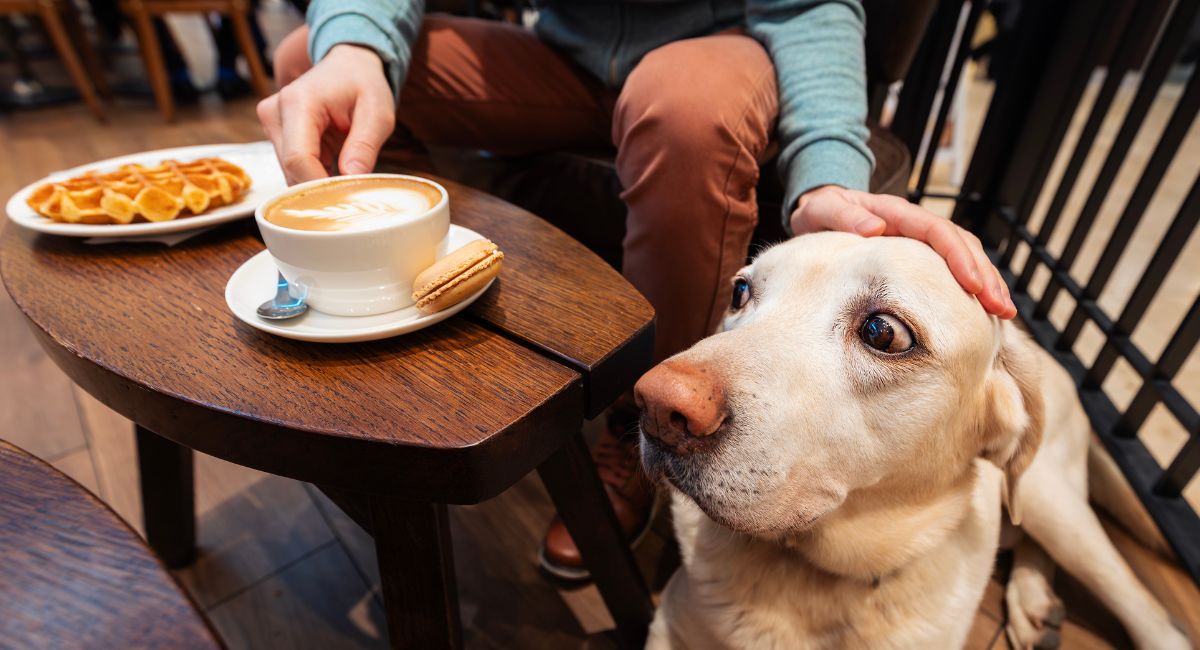
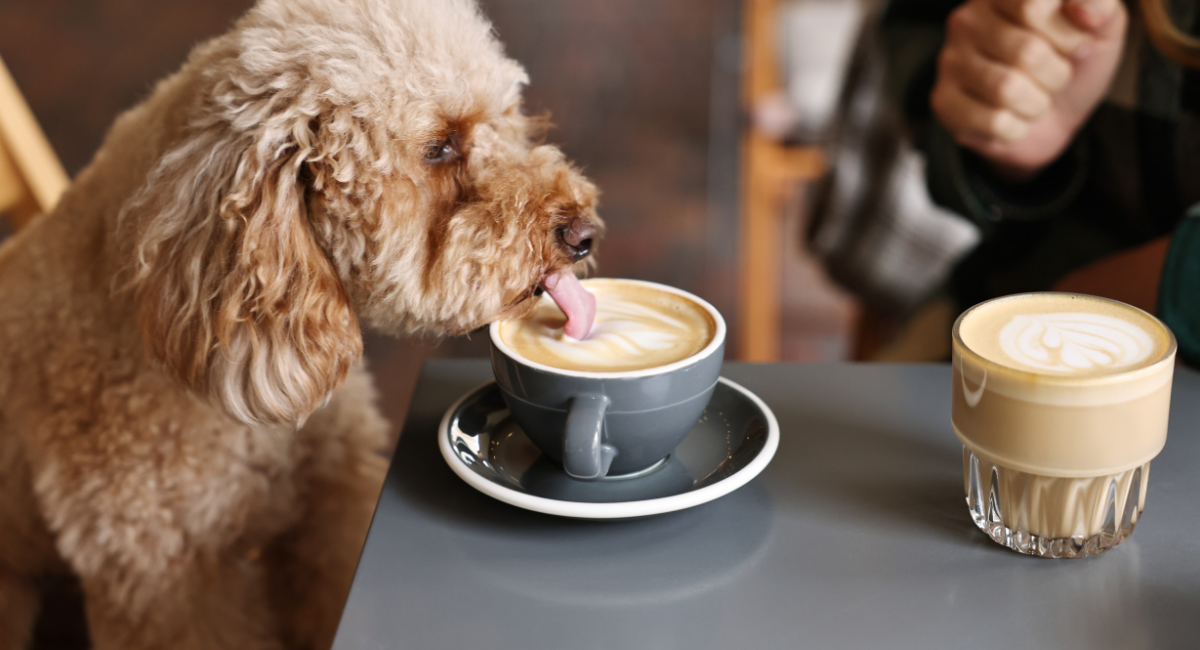
There’s something magical about enjoying a meal with your furry friend by your side. Over the past few years, dog-friendly dining has exploded in popularity, with restaurants across the country welcoming canine companions to their dog friendly outdoor seating areas.
But here’s the thing—bringing your dog to a restaurant comes with real responsibility. Poor dog-friendly restaurant etiquette can ruin the experience for everyone and threaten the pet-friendly policies we all love.
This comprehensive guide covers everything you need to know about dining out with dogs, from preparation and behavior management to being a considerate patron.
What Makes a Restaurant Dog-Friendly?
Understanding what makes a restaurant truly dog-friendly starts with knowing the legal landscape. Health codes in most jurisdictions prohibit animals in indoor dining spaces, with the exception of service animals.
This is why dog-friendly restaurants almost exclusively offer outdoor seating for guests with pets.
The distinction between a truly dog-friendly restaurant and one that simply tolerates dogs matters. Some establishments actively welcome canine guests with water bowls, treats, and designated outdoor dining areas. Others allow dogs but provide no amenities or clear guidelines.
Service animals operate under completely different rules than pets. Under the Americans with Disabilities Act, service dogs can legally access any restaurant environment, including indoor spaces.
These working animals are trained to perform specific tasks for people with disabilities. Restaurant staff cannot ask for documentation, but they can ask what tasks the service dog performs.
This legal protection doesn’t extend to emotional support animals or therapy dogs, which are considered pets in restaurant settings.
You Might Also Like…
Service Animal, ESA & Pet Laws: What You Can Bring to Restaurants
Types of Pet-Friendly Restaurant Setups
Dog-friendly patios come in various configurations. Some restaurants feature sprawling outdoor dining spaces with plenty of room between tables, making them ideal for larger dogs or multiple canine guests.
Other establishments might have more compact dog-friendly outdoor seating arrangements where space is at a premium.
In tighter configurations, you’ll need to be extra mindful of your dog’s position. Corner tables or spots along the perimeter often work best, giving your canine companion room without blocking pathways or encroaching on neighboring diners.
Pre-Restaurant Prep Tips for Dog Owners
Dining out with your dog starts long before you sit down at the table. A little preparation at home can make the difference between a relaxed meal and a stressful outing—for you, your pup, and everyone around you.
From understanding whether your dog is truly ready to dine in public to packing the right essentials and choosing the best timing, these pre-restaurant steps help set the stage for a smooth, enjoyable experience.
Assess your dog’s readiness.
Before you make that reservation, take an honest look at your dogs behavior in public settings. Not every pup is cut out for restaurant dining, and that’s completely okay.
A dog who lunges at other animals, barks incessantly at strangers, or can’t settle down in new environments probably needs more training first.
Your dogs personality plays a huge role in restaurant readiness. Some canine companions are naturally calm and adaptable, happily snoozing under the table.
Others are social butterflies who love saying hi to every passing person and pet. High-energy or overly social dogs require extra management in restaurant settings.
Size matters less than behavior, but it does influence logistics. A small dog can curl up easily in tight spaces, while larger breeds need more room.
If your furry companion weighs over 50 pounds, look for restaurants with spacious outdoor areas where they can lie down comfortably without blocking walkways.
What to Bring for Successful Dog-Dining
Smart pet parents come prepared. Your restaurant kit should include a portable water bowl, waste bags, and a small container of your dog’s favorite dog treats.
These treats serve double duty—rewarding calm behavior and keeping your pup occupied during longer waits.
A familiar blanket or mat can help your furry friend settle in. Some doggie diners swear by bringing a chew toy for longer meals, though you’ll want to avoid anything squeaky that might disturb other patrons. Keep items minimal to avoid cluttering the already limited space around your table.
Exercise and Timing Strategies
Tire out your dog before you head to the restaurant. A solid 30-minute walk or a trip to the dog park an hour before your reservation helps ensure your pets will be calm and content to rest during the meal. A tired dog is a well-behaved dog.
Timing your outdoor dining experience strategically can set everyone up for success. Off-peak hours mean fewer distractions and a more relaxed atmosphere. Try lunch on a weekday or an early dinner before the rush.
Arrival and Seating Etiquette
Making a Reservation and Communicating with Staff
Always call ahead, even if a restaurant advertises itself as dog-friendly. Some establishments have limits on how many dogs they can accommodate at once, while others might have breed or size restrictions.
When you speak with restaurant staff, mention that you’ll be bringing your dog and ask about their preferred seating arrangements for pet owners.
Ask about any house rules specific to canine guests. Some places request that dogs stay on a specific side of the patio or avoid certain high-traffic areas.
Restaurant owners appreciate guests who are upfront about their dog’s size and temperament.
Choosing Your Spot in the Dining Area
When the host offers you table choices, think strategically. Corner spots or tables along the edge of the outdoor seating area work best.
Avoid tables near the entrance to the restaurant or kitchen—these high-traffic zones expose your dog to constant movement and tempting food smells.
If you spot another dog already seated nearby, consider whether your pets will get along or distract each other.
Some fellow diners prefer tables away from animals, and respecting that preference creates a pleasant dining experience for everyone.
You Might Also Like…
Is Mackinac Island Dog-Friendly?
During the Meal: Core Dog Etiquette Rules
Leash and Space Management
Your dogs leash should stay short throughout the meal—no exceptions. A four-foot leash tied securely to your chair leg or held in your hand keeps your canine companion close. Never let the leash extend into walkways where servers or restaurant patrons could trip over it.
Even the friendliest dog should never approach other tables without explicit invitation. This is fundamental dog etiquette that preserves everyone’s dining experience.
Behavioral Expectations and Table Manners
Good table manners for dogs look like this: lying quietly under or beside the table, minimal movement, and no vocalizations beyond the occasional sigh or shift in position. Your dog should be so unobtrusive that other diners barely notice they’re there.
This level of good manners requires practice at home before you attempt dog-friendly dining in public.
Address behavioral issues immediately and calmly. If your pup starts barking, whining, or showing stress, correct the behavior right away.
If it continues, be prepared to wrap up your meal and leave. Start with short visits—just drinks or appetizers—and gradually work up to full meals as your furry companion proves they can handle longer periods of calm behavior.
Food and Feeding Guidelines
Table scraps are a hard no. Feeding your dog from your plate teaches begging behavior and can cause stomach issues.
It also signals to your pup that restaurants are places where human food is available, making future visits more challenging.
Bring your own dog treats from home and use them strategically to reward calm behavior. Don’t let your furry friend hover near your table hoping for dropped food.
Never feed someone else’s dog without explicit permission from the pet owner—what seems friendly could trigger food allergies or dietary restrictions.
Respecting Restaurant Guests and Animals
Not everyone loves dogs as much as we do. Some fellow diners might be dog lovers who still prefer an animal-free meal.
Others could have allergies, fears, or simply different preferences.
Reading the room and respecting those boundaries is part of being a considerate diner.
When multiple dogs share the outdoor dining area, keep your attention on your own canine companion and their reactions to other animals.
If two dogs seem interested in each other, let the owners communicate first before allowing any interaction. The goal is for your presence to be either neutral or positive for everyone sharing that outdoor space.
You Might Also Like: Dog Cafes vs. Dog-Friendly Restaurants
Pet Health Requirements Before Dining Out
Your dog should be current on all vaccinations, including rabies, bordetella, and distemper. Before heading out, give your furry friend a once-over. Check for fleas, ticks, or any signs of illness.
A dog who’s scratching excessively or showing signs of skin issues should stay home, as should any pet who seems under the weather or has digestive issues.
Regular grooming matters too. A clean, well-maintained dog is more pleasant for everyone around you.
Managing Waste and Cleanliness
Always carry waste bags—plural—because accidents happen. If your dog has a bathroom accident in the outdoor dining area, clean it up immediately and discreetly.
Know where the nearest trash receptacle is located. If your dog needs a bathroom break during the meal, walk them away from the restaurant environment entirely.
Common Mistakes and How to Avoid Them
Poor etiquette from a few dog owners can ruin dog-friendly restaurant policies for everyone. When poorly behaved pets disrupt dining experiences repeatedly, establishments reconsider their pet-friendly stance.
Restaurant staff shouldn’t have to manage untrained dogs or clean up after irresponsible owners.
The most common violations? Allowing dogs to bark continuously, letting them approach other tables uninvited, and failing to control aggressive or overly energetic behavior.
Not respecting boundaries also includes assuming every restaurant with a patio is dog-friendly and acting entitled when asked to follow house rules.
Reading the Room and Knowing When to Leave
Sometimes despite your best efforts, the dining experience just isn’t working. Recognizing when to cut your losses and head home separates responsible pet parents from problematic ones.
Warning signs include sustained whining, repeated attempts to leave, aggressive behavior toward other dogs or people, or persistent barking that you can’t quickly resolve.
When these behaviors appear, ask for your check, pack up calmly, and make your exit. A graceful exit preserves the positive dining experience for others.
Special Considerations for Different Dining Scenarios
Service Dogs vs. Emotional Support Animals
Service dogs are trained to perform specific tasks for people with disabilities and have legal access to all public spaces, including indoor restaurant areas.
Emotional support animals, therapy dogs, and regular pets are welcome in designated dog-friendly areas only.
Misrepresenting a pet as a service animal is illegal in many jurisdictions. If you have a service dog, restaurant owners can ask what tasks your service animal performs, but you’re not required to provide documentation.
You Might Also Like…
Service Dog Etiquette: Everything You Need to Know
Peak Hours vs. Quiet Times
Your first attempts at dog-friendly dining should happen during off-peak hours when outdoor dining areas are less crowded. Fewer diners mean less stimulation for your dog and more patience from staff.
As your canine companion becomes seasoned, you can gradually tackle busier time slots. Weekend brunch or Friday night dinner presents more challenges—more noise, more people, more dogs, and tighter spacing.
Frequently Asked Questions (FAQs)
Are dogs allowed in restaurants in GA?
In Georgia, pet dogs generally can’t go inside restaurants due to state health rules. Only service animals are allowed indoors. Some restaurants may permit dogs in designated outdoor dining areas if they’ve received local health department approval and meet specific requirements (e.g., separate access and leash rules).
Are dogs allowed in restaurants in FL?
In Florida, dogs are not permitted inside restaurant dining areas under the state’s food safety code, aside from service animals protected by the ADA. However, many restaurants allow dogs at outdoor tables or patios if local laws and the restaurant’s policies allow it.
Are dogs allowed in restaurants in VA?
Virginia prohibits live animals inside restaurants except for service animals. Some eateries can allow dogs in outdoor dining areas if they comply with health department criteria, such as separate access, posted notices, and keeping dogs leashed and off seats and tables.
Can a dog sit at the table in a restaurant?
No. In the United States, health codes nationwide prohibit dogs from sitting at restaurant tables, chairs, laps, or being fed at the table. Even in dog-friendly patios, pets must remain on the ground and under control. The only exception is trained service dogs, which are legally allowed to accompany their handlers—but they still may not sit on furniture or eat from tables.
Wrapping it Up
Mastering dog-friendly restaurant etiquette comes down to three core principles: preparation, consideration, and responsibility.
When you prepare your canine companion properly, consider the impact on everyone sharing the outdoor space, and take responsibility for your dog’s behavior, you create positive experiences that benefit the entire community.
The future of dog-friendly dining depends on today’s pet parents demonstrating that dogs can be wonderful restaurant guests.
As more dog owners embrace these etiquette principles, more restaurants will feel confident welcoming pets. So grab that leash, pack your supplies, and head out for a meal with your furry friend.
Follow these guidelines, stay mindful of others, and enjoy being part of the growing culture of responsible dog-friendly dining!